
CASE STUDY • HEMORRHAGIC STROKE SURVIVOR
Neo’s Road to Recovery
Neo’s life as a father, photographer, graphic apparel designer, tango dancer and snowboarder was turned upside down in 2019 when he suffered a right cerebral hemorrhagic stroke. It rendered him unable to move the entire left side of his body. Very early in the recovery process, Neo decided he would not simply accept a new normal. Instead, with the support and guidance of his clinicians, he committed to rebuilding what he could from the ground up.

Case study focus
- Foot Strength, Mobility and Sensory Input
- Balance and Loading through the Affected Limbs
- Walking and Movement Quality
- The Road Ahead
This case study documents how The Rehab Mechanics has contributed to Neo’s recovery process and has been integrated into an extensive rehabilitation program. In the beginning, initial care started with Emergency doctors, the Stroke team, neurologists and physicians. Rehabilitation care came from rehab nurses, physios, OT’s, speech therapists and orthotists. Some of that care is ongoing, along with the introduction of massage therapy, osteopathy, acupuncture, psychology and myofascial release. Part of the therapy has been self-initiated and self-directed, and The Rehab Mechanics has played a part in this long-term recovery process.
Foot Strength, Mobility and Sensory Input
Neo and his clinicians initiated his Road to Recovery with a specific focus not only on the affected foot, but both feet. This focus was designed to help re-establish neural pathways, intrinsic activation, and the strength needed to re-gain a stable platform for global function. Without intrinsic control and progressive strength, it was suggested that balance and stability through the rest of the body was going to harder to achieve.
This early stage of rehabilitation centred on restoring awareness, encouraging movement, and building capacity through small but targeted inputs. The foot was treated as a key starting point, not just an isolated area.
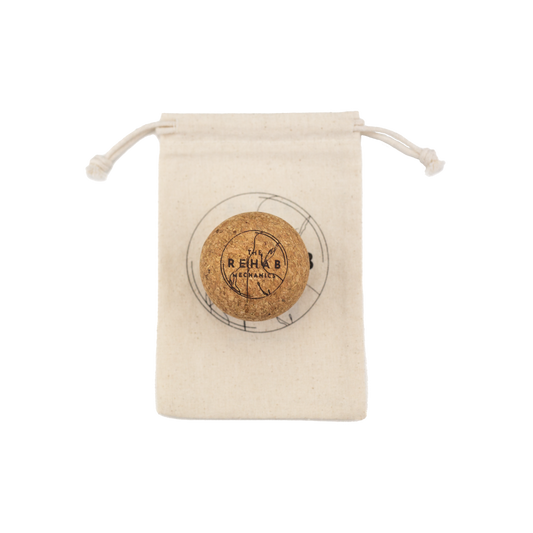
The framework started with larger tools that Neo could tolerate (like the cork ball) for general release before transitioning to a smaller tools (like the wooden ball which is part of the Proprioception Mat Kit). The progression provided a sharper, more direct input into the fascia and neural pathways.
Key Strategies
- Pre ROM active release through plantar aspect using cork ball
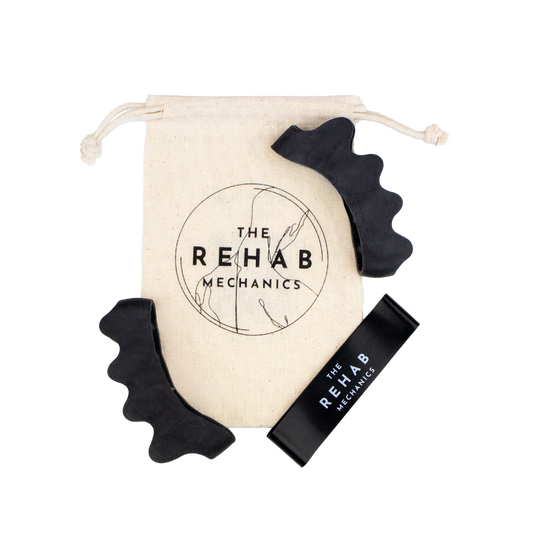
- Activation of intrinsic foot muscles with toe spacers
- Active and passive movement practice
- Strengthening of intrinsic and extrinsic foot muscles with strength bands
Tools Used in This Phase
Toe spacers, strength bands, and the cork ball helped Neo focus on foot activation, movement, and controlled strengthening as part of the early rebuilding process.


Balance and Loading Through the Affected Limbs
With the initial focus helping Neo re-establish and develop foot strength and control, the next progression point was balance and progressive reloading of the affected left limb. At this stage, Neo was still heavily reliant on his walking stick for ambulation. With his background in snowboarding and tango dancing, he was especially aware of how important the mind-muscle connection would be in rebuilding stability and movement confidence.
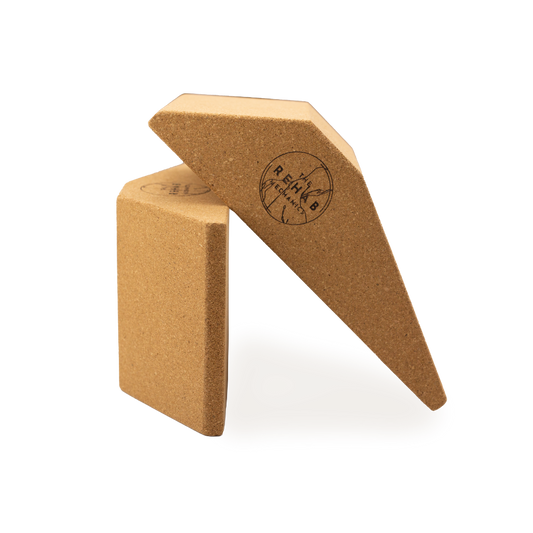
In this phase, the key focus was restoring the mind-muscle connection through neural simulation using the proprioception mat. It was imperative to re-establish a stronger left right hemispherical connection. Cork wedges were used in positional stretching, digital extension, calf raises, and controlled movements to progressively improve ankle dorsiflexion, strength, arch control, and lower limb mechanics. Secondary to this, the wedges provided an opportunity to target fascia lengthening as well as neural flossing (different functional positioning on the cork wedges) which was important due to the physiological response to the stroke.
Footwear was a strong consideration; low stack height footwear choices supported peripheral stimulus, while high stack shoes reduced Neo’s proprioceptive feedback and stability. Barefoot shoes* were introduced to facilitate neural feedback, provide a stable platform (allowing the foot to relearn how to splay), encourage intrinsic activation, and give the big toe space to stay active.
Key Strategies
- Neural stimulation
- Footwear feedback
- Barefoot shoes support
- Ankle and lower limb progression

Walking and Movement Quality
Neo’s Road to Recovery gained traction through unwavering consistency and a clear focus on the fundamentals. The next stage centred on continued maintenance of the body and gait re-programming. Regaining strength and stability only becomes truly meaningful when they can be applied functionally to movement.
This phase focused on helping Neo walk with increased leg drive, and control while reducing shuffling and foot drag. Neo focused on his ability to load the foot knowing that it would result (through the stretch-reflex) in an increased propulsive component in his gait cycle. Combined with his gait retraining, soft tissue maintenance and self-care between therapy sessions and workouts became an important part of keeping Neo's progress moving.
Tools Used in This Phase
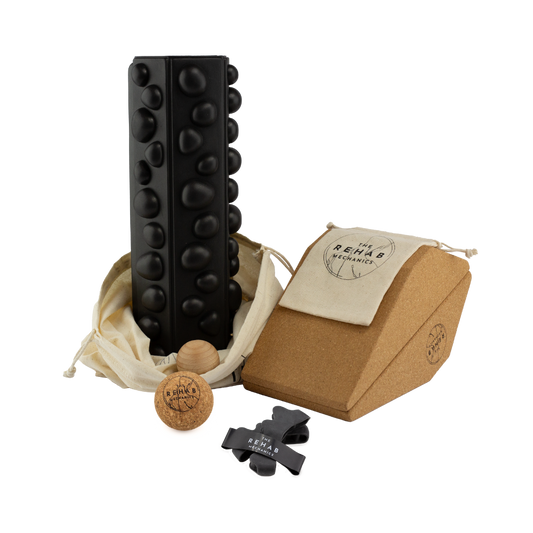
Cork rollers, cork balls, and low-profile footwear helped support tissue maintenance, gait retraining, and more functional movement quality as Neo continues to progress with his rehab journey.


The Road Ahead
Neo’s Road to Recovery has been long and winding. Every day presents a new challenge. However, thanks to his unwavering mindset and the support of his family, friends, and medical professionals, each day is also getting a little easier from a physical perspective.
The work continues through self-care, progressive overload within his rehabilitation program, consistency with the fundamentals, continued use of The Rehab Mechanics products, and low profile footwear as an added source of feedback and focus. The goal is not perfection. The goal is to keep walking the Road to Recovery.
Products Supporting Neo’s Recovery
Neo’s journey highlights the role of consistent foot-focused rehabilitation, movement practice, self-care, and sensory input. The Rehab Mechanics tools continue to support that process through every stage.
- Toe spacers for intrinsic activation and sensory awareness
- Strength bands for progressive strengthening
- Proprioception mat for neural feedback and connection
- Cork wedges for stretching, strength, and loading work
- Cork ball and cork roller for ongoing body maintenance
Neo’s Recovery Journey
Follow Neo’s Journey
If you’d like to keep up to date with Neo’s Road to Recovery, follow his journey through the links below and see more of the work, consistency, and resilience behind his rehabilitation process.


Explore Foot Health Tools
-
Toe Spacers Pack
Regular price $29.95 AUDRegular priceUnit price per -
Cork Wedges
Regular price $69.95 AUDRegular priceUnit price per -
Mini Cork Ball
Regular price $14.95 AUDRegular priceUnit price per -
Foot Proprioception Kit
Regular price $169.95 AUDRegular priceUnit price per